
_
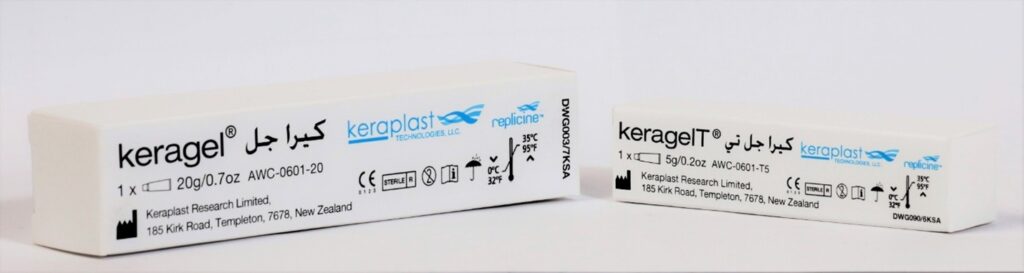
Keragel
Keragel is a thick, prescription-strength hydrogel wound dressing containing keratin, used to manage partial- and full-thickness wounds, such as ulcers and burns, by maintaining a moist environment. It promotes faster healing, increased epithelialization, and is suitable for both acute and chronic wounds.
Key Details About Keragel (Wound Care):
Indications: Leg ulcers, diabetic foot ulcers, pressure ulcers, skin graft donor sites, and first/second-degree burns.
Function: It creates a moist wound environment and delivers keratin to the wound to speed up the healing process.
Usage: Applied 1 to 3 times daily, typically for topical dermatological use, and can be used on open wounds.
Contraindications: Do not use on patients with known sensitivity to keratin
_
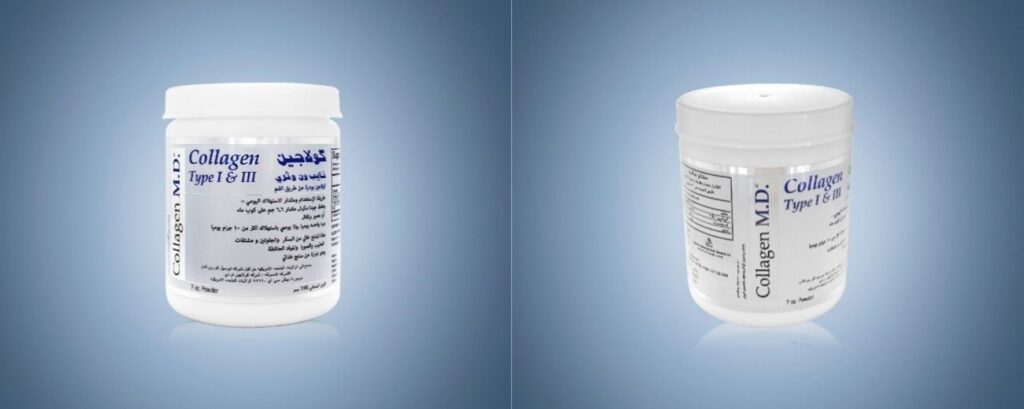
Collagen
Collagen Types I and III are the most abundant forms in the human body, critical for structural integrity, skin elasticity, and wound healing. Type I provides strength to skin, tendons, and bones (90% of body collagen). Type III supports elasticity in skin, muscles, and organs. They are often used together in supplements to support skin, hair, nails, and connective tissues.
Key Differences and Functions:
Type I Collagen: The most prevalent type (90% of body collagen). It forms thick, dense fibers that provide tensile strength to skin, bones, tendons, ligaments, and the cornea. It is key for reducing wrinkles and improving skin hydration.
Type III Collagen: The second most abundant type, found alongside Type I in skin, organs, and blood vessels. It is essential for skin elasticity and provides structure to muscles and hollow organs.
Synergy in Healing: Type III is prevalent during the early stages of wound healing, and is later replaced by stronger Type I collagen.
Supplementation and Sources:
Sources: Primarily derived from bovine (cow) collagen, though Type I is also found in marine sources.
Benefits: Combined Type I & III supplements support skin elasticity, nail strength, muscle mass, and bone density.
Forms: Often available as hydrolysed powder or capsules, designed for better absorption.
Health Considerations
Aging: Natural production of both types decreases with age.
Deficiencies: Deficiencies in Type I can cause fragile bones (osteogenesis imperfecta) and, together with Type III issues, can lead to joint hypermobility and skin issues (Ehlers-Danlos syndrome)
_
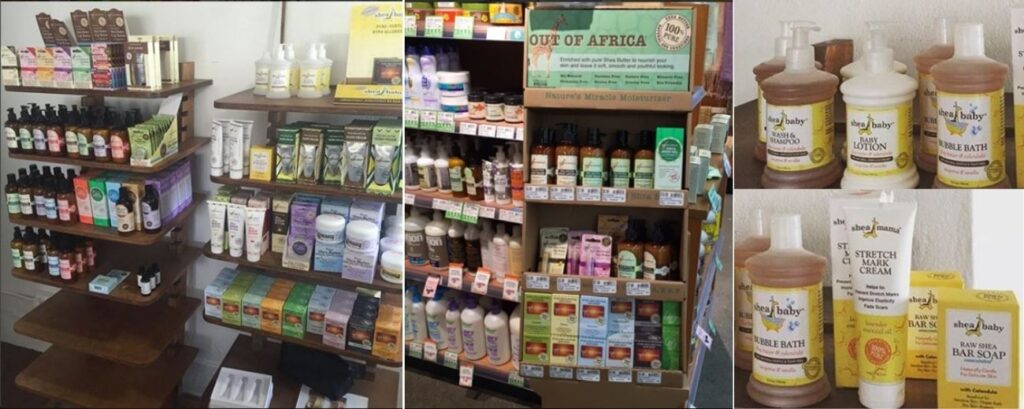
Out Of Africa Shea Butter
Shea butter is an ivory-colored natural fat extracted from the nuts of the African shea tree, prized for its intense moisturizing, healing, and anti-aging properties. Rich in vitamins A, E, and F, it acts as a nourishing, non-greasy emollient for skin and hair, often used to treat eczema, stretch marks, and dry, cracked skin.
Key Benefits & Uses:
Skin Care: Intensely hydrates, improves elasticity, reduces wrinkles, and helps repair damaged skin. It acts as a protective barrier against cold, wind, and sun.
Hair Care: Restores shine, softens, and reduces split ends.
Healing: Known to aid in fading scars and treating rough spots like elbows and knees. Composition: Contains essential fatty acids and nutrients.
Types and Tips:
Raw/Unrefined: Retains the most nutrients and has a nutty scent.
Refined: Often whiter, smoother, and odorless but may have lost some nutrients.
Usage: Apply directly to dry skin or hair, or use as a base for homemade beauty products. It is widely used in cosmetic products for its rejuvenating effects.